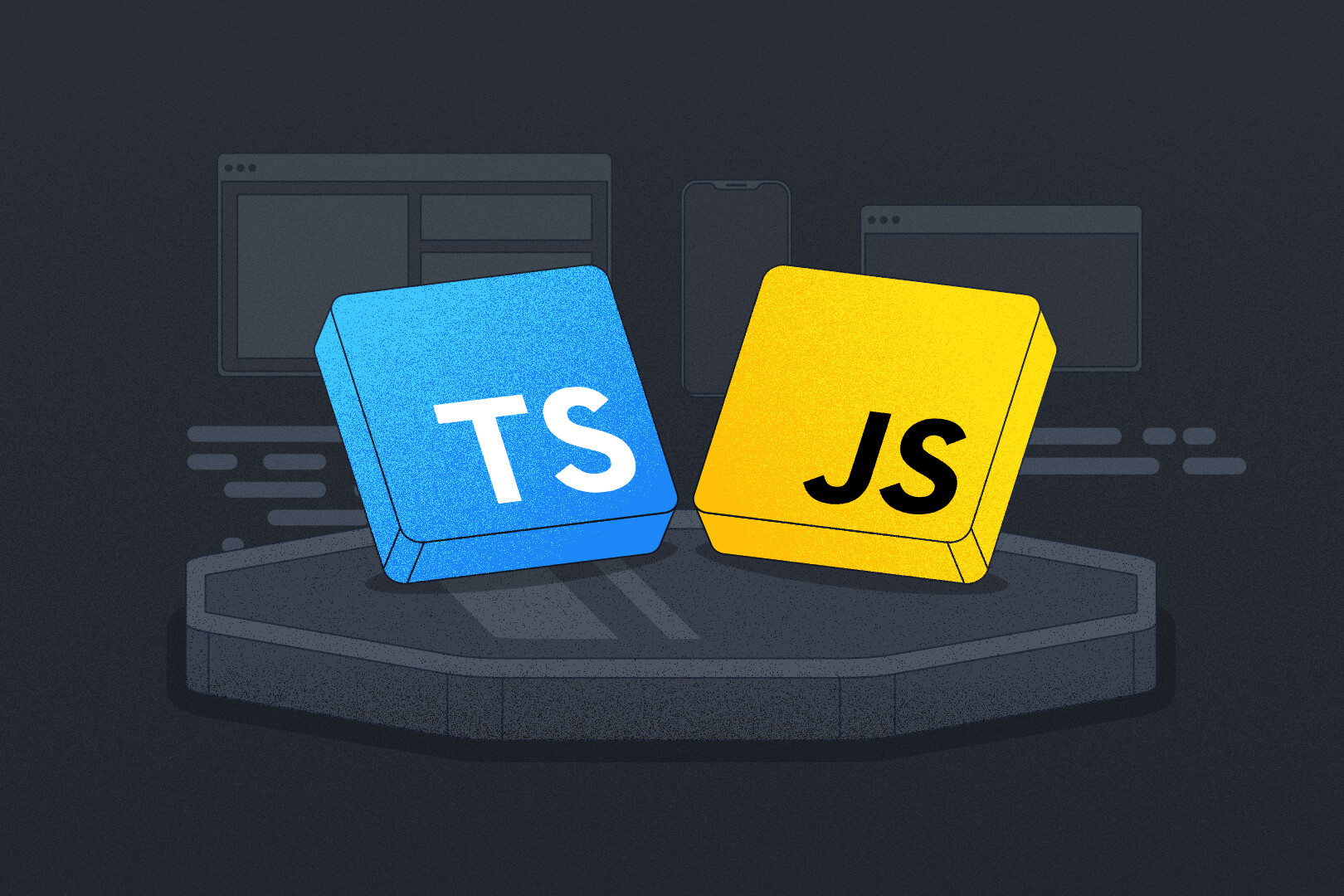
In the fast-paced world of web development, efficiency, scalability, and maintainability are crucial for success. While JavaScript has been the foundation of modern web applications for years, developers have increasingly turned to TypeScript to write cleaner, more reliable, and future-proof code.
In this blog, we’ll explore what TypeScript is, why it’s gaining massive popularity, and the top benefits of using TypeScript in your next project.
TypeScript is an open-source programming language developed by Microsoft. It’s a superset of JavaScript, meaning any valid JavaScript code is also valid TypeScript code. However, TypeScript introduces static typing, interfaces, and other powerful features that help developers catch errors early and build more robust applications.
Simply put, TypeScript allows you to write JavaScript with type safety — leading to fewer bugs and a smoother development experience.
One of the biggest advantages of TypeScript is static type checking. Unlike JavaScript, which detects errors only at runtime, TypeScript catches mistakes during development.
For example:
function add(a: number, b: number): number {
  return a + b;
}
add("5", 10); // ❌ TypeScript Error: Argument of type 'string' is not assignable to parameter of type 'number'
This feature helps developers identify potential issues before the code even runs, reducing runtime errors and unexpected behavior in production.
Result: You save debugging time and deliver more stable code.
TypeScript’s strong typing system makes the code self-documenting. When you define types, future developers (or even your future self) can instantly understand the expected structure of data and functions.
Example:
interface User {
  id: number;
  name: string;
  email: string;
}

function sendEmail(user: User): void {
  console.log(`Sending email to ${user.email}`);
}
Here, the User interface clearly defines what a user object should look like. This makes refactoring easier and prevents confusion as the project grows.
TypeScript’s deep integration with popular editors like VS Code, WebStorm, and Sublime Text enhances the developer experience through:
These features make coding faster, safer, and more efficient. Developers can write with confidence, knowing the editor will assist them with type hints and quick fixes.
As your project scales, managing a large JavaScript codebase becomes challenging. TypeScript provides a structured approach to handle complex applications through modules, interfaces, and classes.
For instance, large-scale applications benefit from TypeScript’s object-oriented features, such as inheritance and access modifiers, which help organize code into manageable, reusable components.
This makes TypeScript a preferred choice for enterprise-level projects like Angular, Microsoft Teams, and Slack, all of which rely heavily on TypeScript.
One of the reasons for TypeScript’s rapid adoption is its backward compatibility with JavaScript. You can gradually introduce TypeScript into an existing JavaScript project without a complete rewrite.
For example:
.js files to .tstsconfig.json to control strictnessThis flexible adoption path allows teams to migrate at their own pace while still benefiting from TypeScript’s features.
TypeScript offers a powerful and flexible type system, including generics, union types, enums, and utility types. These help create reusable components that work with various data types while maintaining type safety.
Example:
function identity<T>(value: T): T {
  return value;
}
identity<string>("Hello");
identity<number>(42);
Generics make your code reusable, expressive, and easier to maintain across different scenarios.
When multiple developers work on the same codebase, consistency and clarity are vital. TypeScript enforces a clear structure, making it easier for teams to understand each other’s code.
Features like interfaces, type declarations, and strict typing ensure everyone follows the same contract, reducing miscommunication and integration issues during collaboration.
Frameworks such as Angular, React, Vue 3, and Next.js provide first-class TypeScript support. This ensures seamless integration and improved tooling, helping developers build feature-rich applications with confidence.
TypeScript’s ecosystem also includes robust type definitions for popular libraries through the DefinitelyTyped repository (@types packages), making it easy to work with third-party tools safely.
TypeScript stays in sync with modern JavaScript updates (ECMAScript). This means you can use next-generation JavaScript features — such as async/await, optional chaining, and decorators — before they are fully adopted by browsers, thanks to TypeScript’s transpilation process.
This makes your project future-ready, ensuring compatibility and longevity in an ever-evolving ecosystem.
TypeScript has evolved from being a “nice-to-have” to an essential tool for modern web and backend development. It helps teams write more predictable, scalable, and maintainable code — all while improving developer productivity.
Whether you’re building a small startup app or a large enterprise system, TypeScript brings structure, safety, and clarity to your JavaScript projects.
View all



January 3, 2026 | by Shobhit Pandey

January 2, 2026 | by Shobhit Pandey