In the rapidly evolving digital age, businesses need more than just generic tools to stay competitive. Off-the-shelf software often falls short when it comes to addressing specific business challenges. That’s where custom software development steps in — offering tailor-made solutions built precisely around your company’s needs, workflows, and goals.
In this comprehensive guide, we’ll explore everything you need to know about custom software development — from what it is, why it matters, the process behind it, and how it can transform your business for the better.
Custom software development is the process of designing, building, deploying, and maintaining software specifically tailored to meet a business’s unique requirements.
Unlike off-the-shelf software (like CRMs, ERPs, or SaaS tools that are made for the masses), custom software is purpose-built to solve specific challenges or automate certain processes within an organization.
A logistics company might need a custom inventory tracking system that integrates directly with their fleet management tools and real-time GPS updates — something off-the-shelf software can’t provide efficiently.
Investing in custom software is a strategic decision that goes beyond immediate convenience. Here’s why many organizations — from startups to enterprises — prefer custom development:
Every business operates differently. Custom software is designed to align with your processes, not the other way around.
As your business grows, so can your software. It’s built to adapt — new features, more users, or expanded functionalities can be integrated seamlessly.
With custom tools, you can implement features that competitors lack, giving you a unique edge in efficiency, automation, or customer experience.
Custom software easily connects with existing systems — CRM, ERP, APIs, payment gateways — making data flow smooth and centralized.
Though the upfront cost may be higher, it reduces recurring licensing fees, dependency on third-party vendors, and costly workaround fixes later.
Building custom software involves a structured approach to ensure that the final product is reliable, scalable, and user-friendly. Let’s break it down:
The process starts with understanding your business needs. This includes:
This step helps define the scope, timeline, and budget accurately.
Once requirements are clear, the development team creates:
A well-thought-out design ensures smooth functionality and a user-friendly interface.
The actual coding phase — developers build the software based on the design and features discussed.
Modern teams often use Agile methodology, breaking the project into smaller deliverables (sprints), ensuring faster iterations and feedback loops.
Before launch, the software undergoes rigorous testing to detect and fix bugs.
This includes:
Once tested and approved, the software is deployed to production servers. DevOps tools (like Docker, AWS, and CI/CD pipelines) help automate deployment for reliability and speed.
After launch, updates and optimizations are regularly performed to:
Continuous maintenance ensures the software remains relevant and future-ready.
Your tech stack determines the performance, scalability, and flexibility of your software.
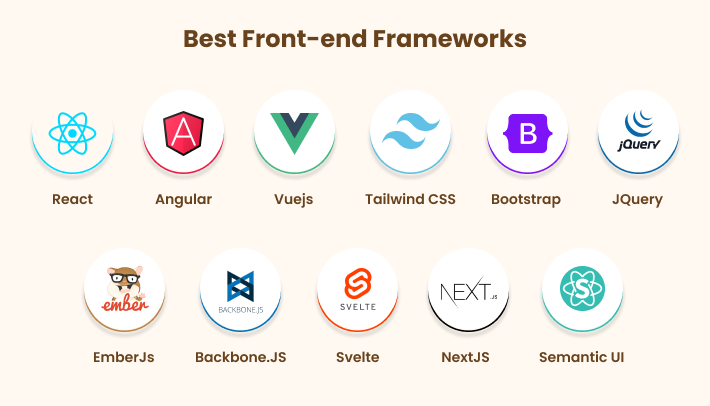
The stack should be chosen based on project complexity, scalability goals, and developer expertise. Read our blog for chosing the right frontend framework here
Even with the best plan, custom software development can face a few challenges:
These can be mitigated by partnering with an experienced development team — one that communicates well, plans proactively, and prioritizes quality assurance.
At The Tech Legends, we specialize in building fast, scalable, and secure custom software solutions for startups and enterprises. Our approach focuses on:
From concept to deployment, we turn your business ideas into robust digital solutions that deliver real results.
With advancements in AI, cloud computing, and low-code platforms, the future of custom software looks incredibly promising. Businesses will soon be able to build smarter, more adaptive applications that learn from user behavior and automate complex decisions.
The focus will continue shifting from “just functionality” to experience, intelligence, and scalability — and custom software will be the key enabler of that transformation.
Custom software development is not just about creating software — it’s about building a digital foundation for your business growth.
By investing in a tailored solution, you gain control, flexibility, and innovation that generic tools simply can’t match.
At The Tech Legends, we help companies harness the power of technology through bespoke software solutions — designed to scale, secure, and empower their business for the future.
View all

January 2, 2026 | by Shobhit Pandey
October 12, 2025 | by Shobhit Pandey